
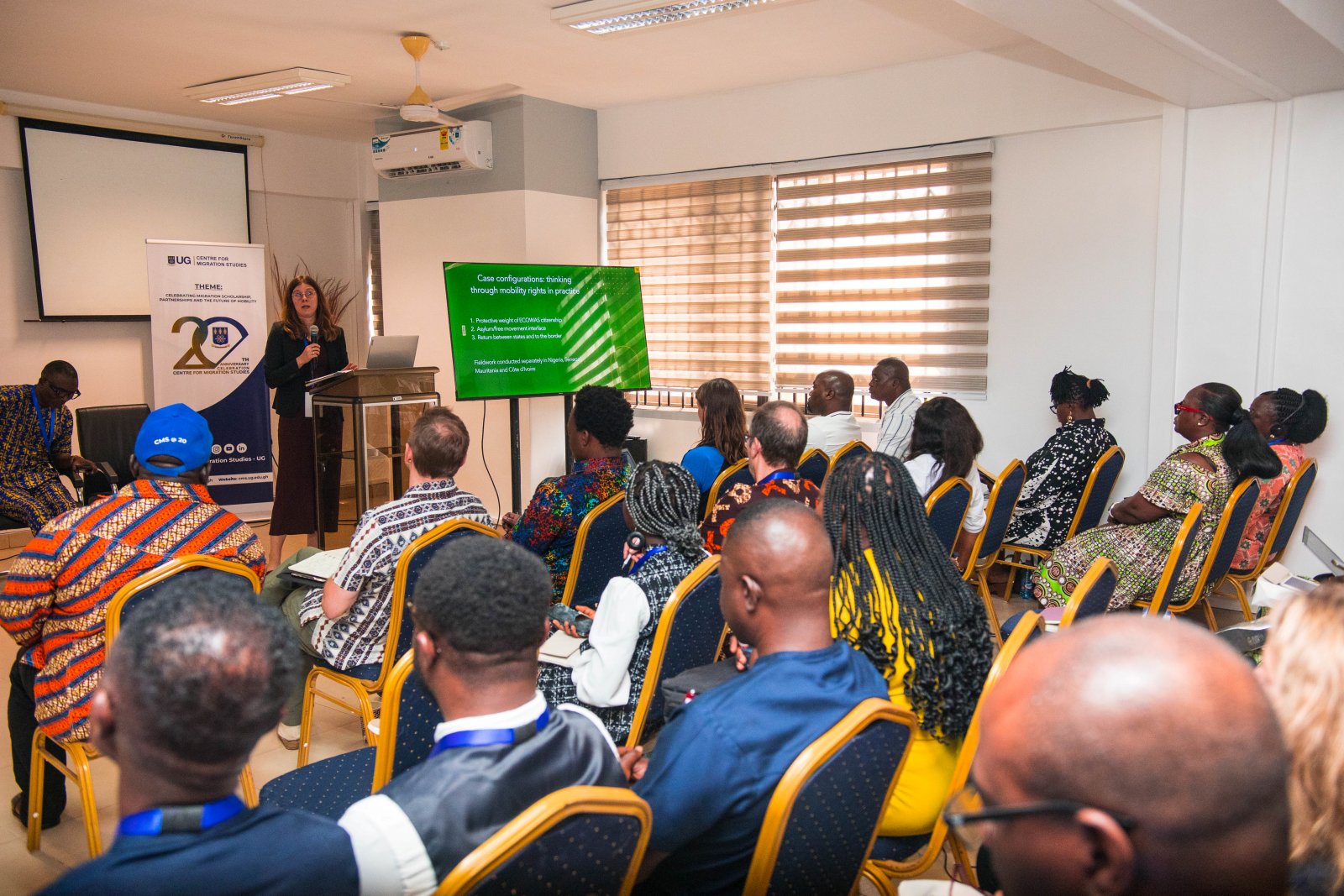
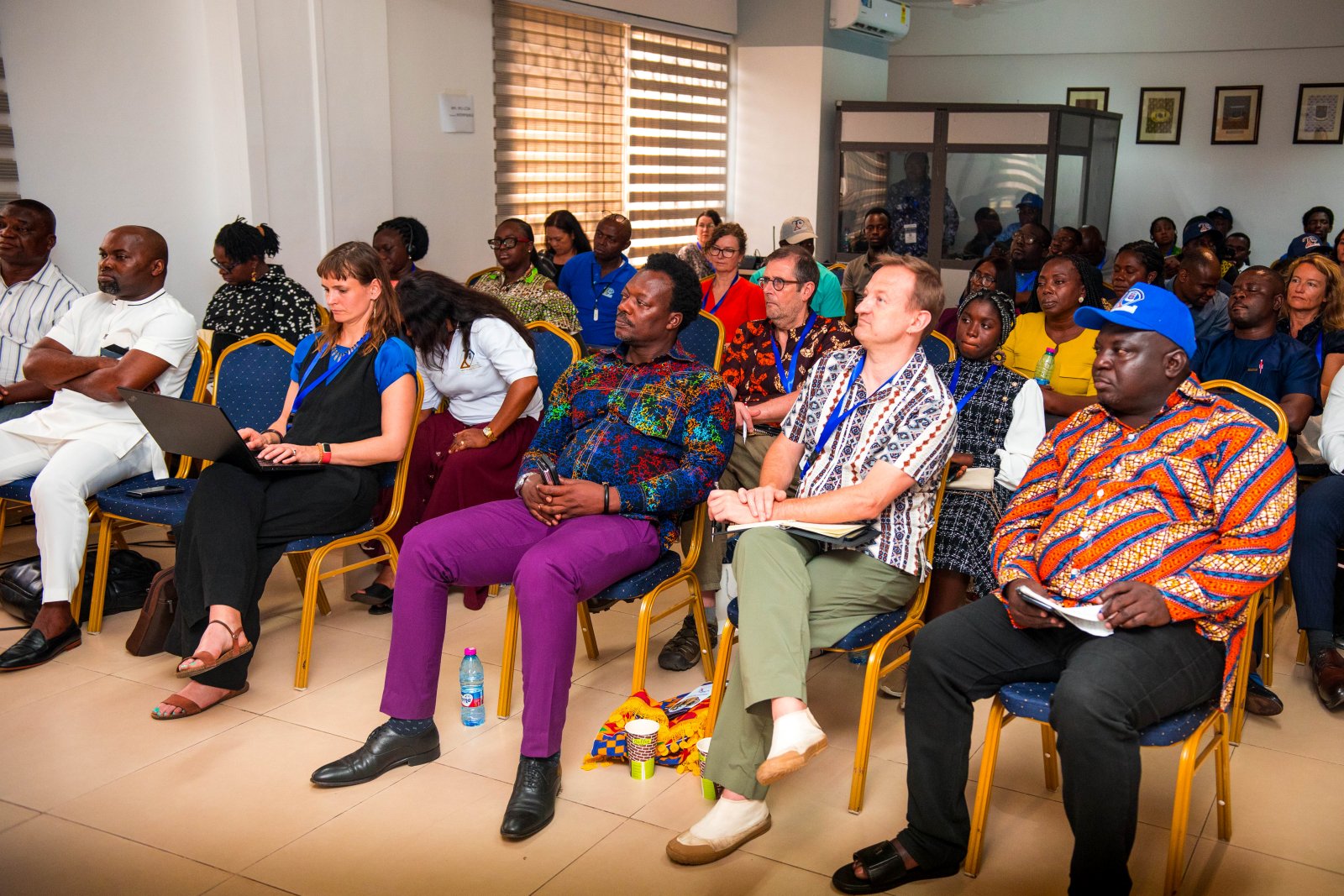
The Centre for Migration Studies, University of Ghana, has successfully hosted the CMS@20 International Conference on Free Movement in West Africa, bringing together researchers, policy experts and practitioners from across Africa, Europe and beyond.
Held from 27 to 29 January 2026, the conference formed part of activities marking 20 years of the Centre’s contribution to migration research and policy engagement. The event was organised in collaboration with the Centre of Excellence for Global Mobility Law (MOBILE).
Opening the conference, the Director of the Centre for Migration Studies and IDRC Research Chair on Forced Displacement in Anglophone West Africa, Prof. Mary. Setrana highlighted the significance of the anniversary and the role of strategic partnerships in advancing migration scholarship.
“This anniversary year features a range of academic, cultural and policy activities, beginning with our first CMS@20 International Conference, organised in partnership with the Centre of Excellence for Global Mobility Law (MOBILE),” she said.
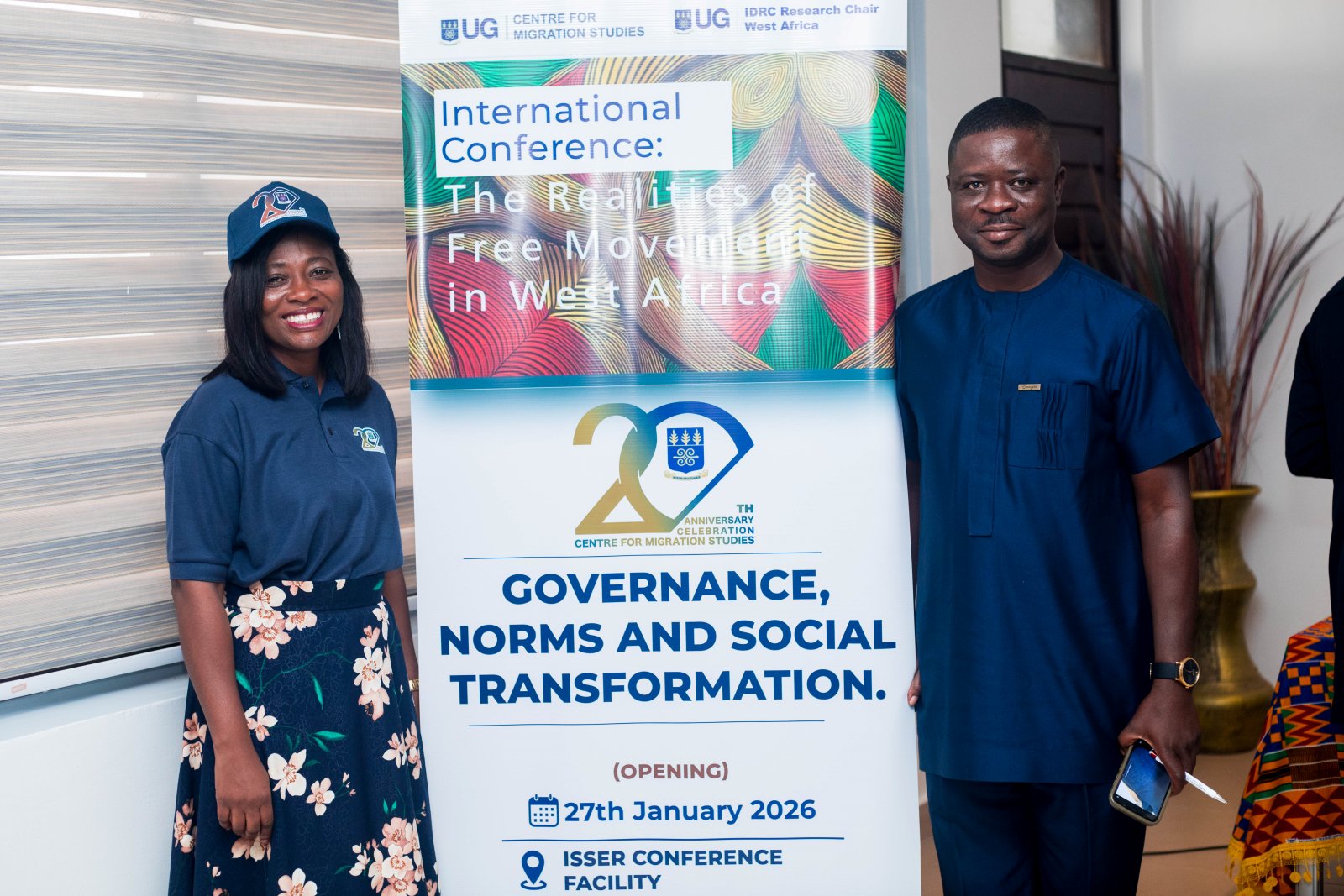
Prof. Setrana noted that the conference was intentionally designed to promote reflection and collaboration on mobility governance within and beyond the West African region.
“The conference provides a platform for reflection, dialogue and collaboration on the governance of mobility in West Africa and beyond.”
Under the theme The Realities of Free Movement in West Africa: Governance, Norms and Social Transformation, discussions examined the tensions between regional commitments to free movement and the everyday experiences of people navigating borders in the region.
Speaking at the opening session, the Director of MOBILE Prof. Thomas Gammeltoft-Hansen emphasised the central role of law in shaping mobility outcomes.
“While human mobility has always been a key precondition for development, cultural exchange and survival, few other issues today are subject to such elaborate regulatory restrictions,” he said.
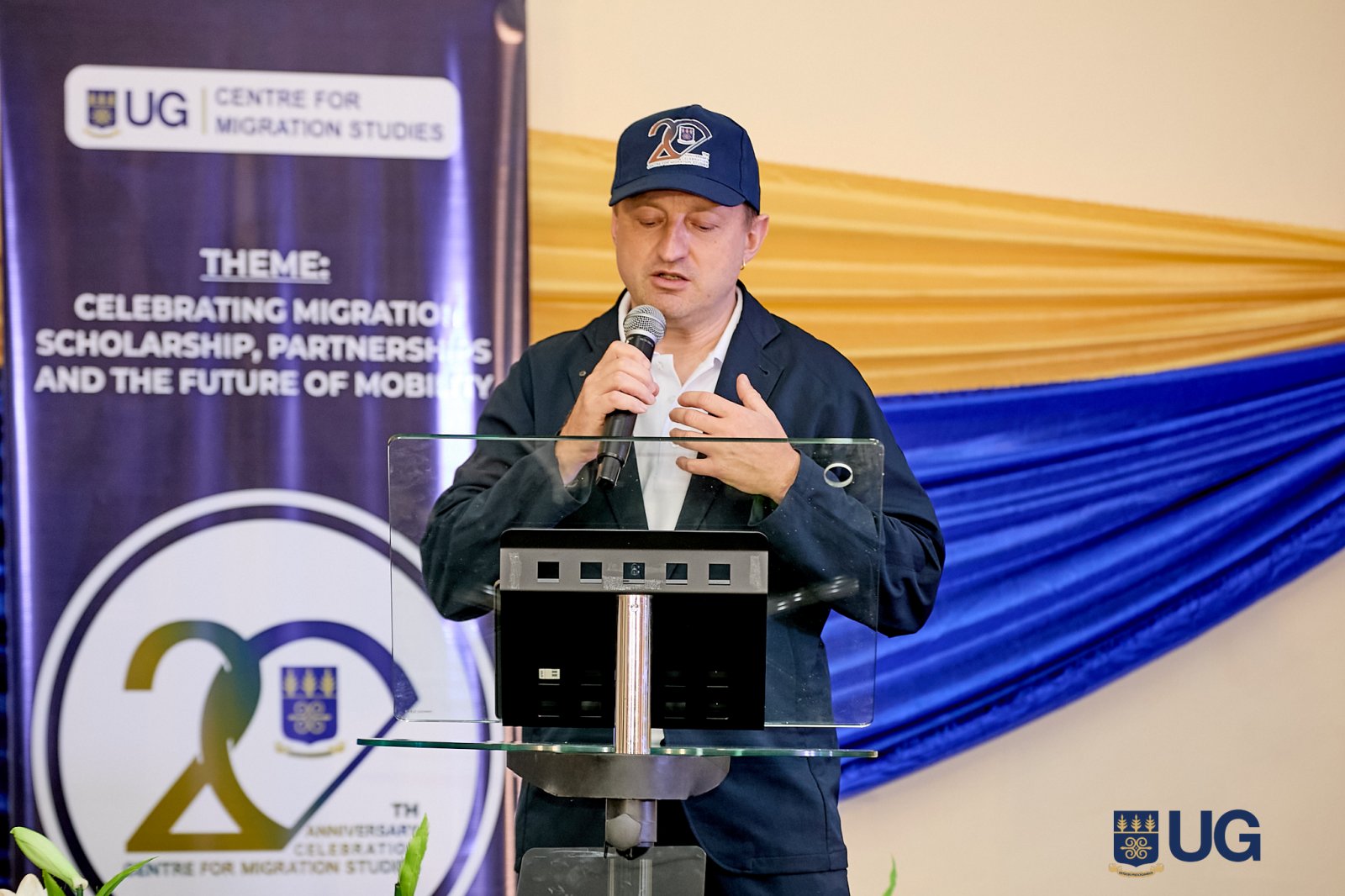
“From immigration rules to aviation standards, laws determine who has access to mobility and the routes through which people move. For better or worse, mobility laws define livelihood opportunities, social structures and economic development.”
The conference adopted a workshopping approach, encouraging participants to present work in progress and engage in open, constructive dialogue. This format created space for critical feedback, interdisciplinary exchange and the development of new research directions.
Panel discussions and scholarly presentations addressed a wide range of themes, including regional and national mobility governance, labour and student mobility, forced displacement, border communities, social inequalities, the role of regional institutions such as ECOWAS, and the growing influence of technology on border management.
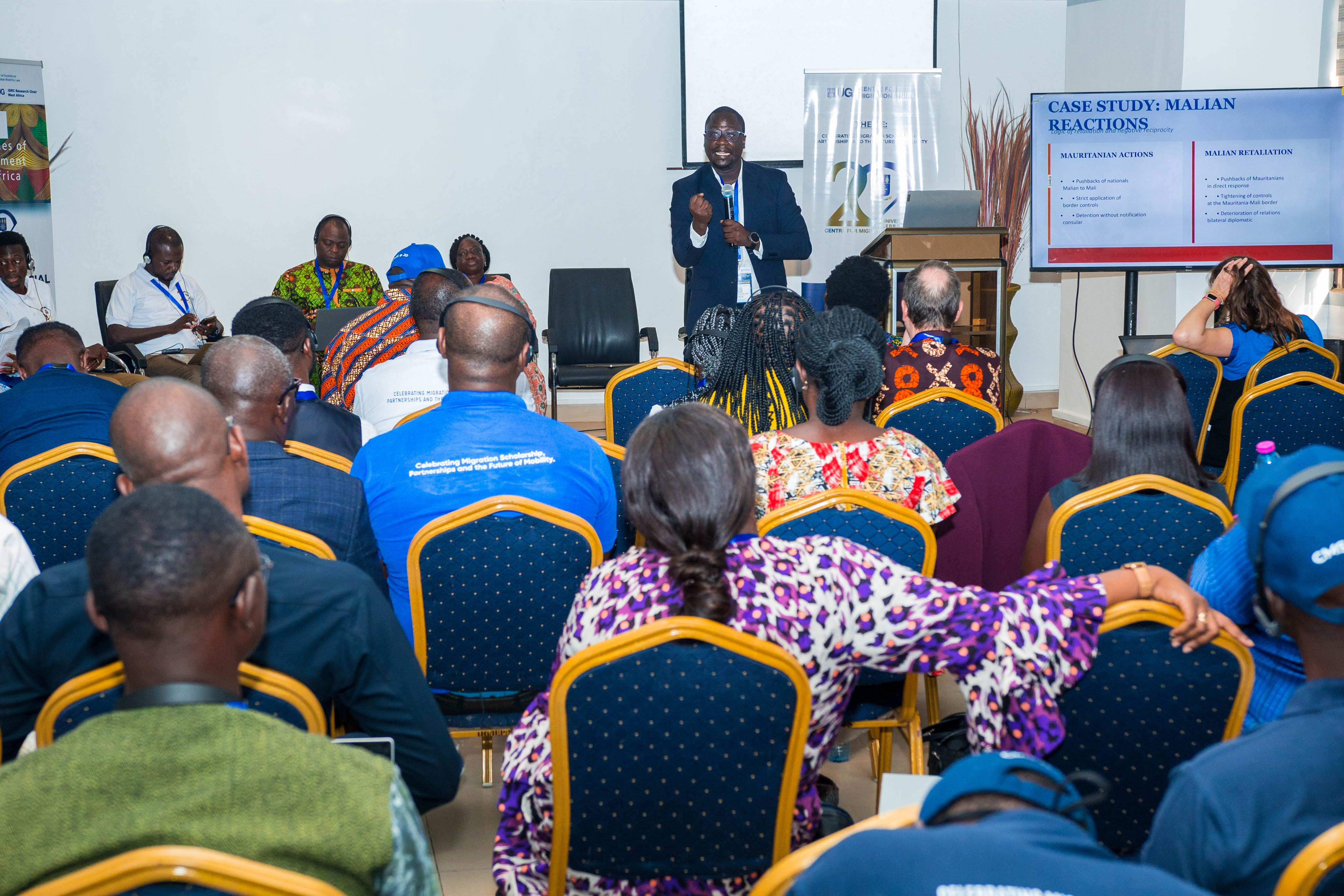
The conference is an important first step in strengthening long-term research collaboration between CMS and MOBILE, with the shared goal of deepening empirical and theoretical understanding of free movement and mobility governance in West Africa and across regions.
Read more articles
- Log in to post comments